How to Make a Talking Photo in Another Language

Maybe your grandmother in Istanbul only speaks Turkish, and you want to make a photo talk in Turkish to send her a birthday message she can actually understand. Or your audience is growing in Mexico, and English captions just aren't landing the way a real voice would. Either way, you have one photo and something you want to say in a language that isn't the one you usually type in.
The good news is you don't need a camera crew, a translator on call, or a monthly subscription. You can take a single still photo, add a short script, and turn it into a talking video in another language in a few minutes. Here's how to do it well, whether you're sending love across an ocean or reaching a new audience.
Start with the right photo
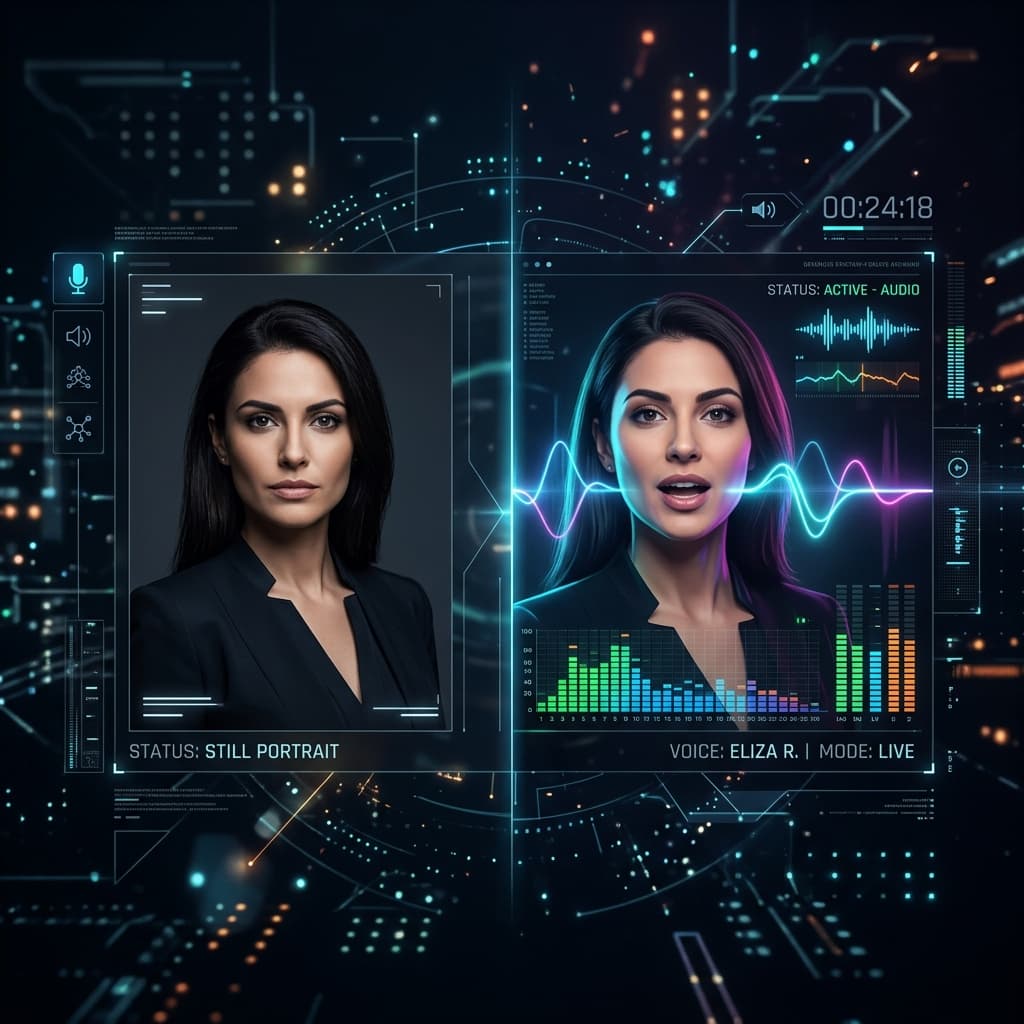
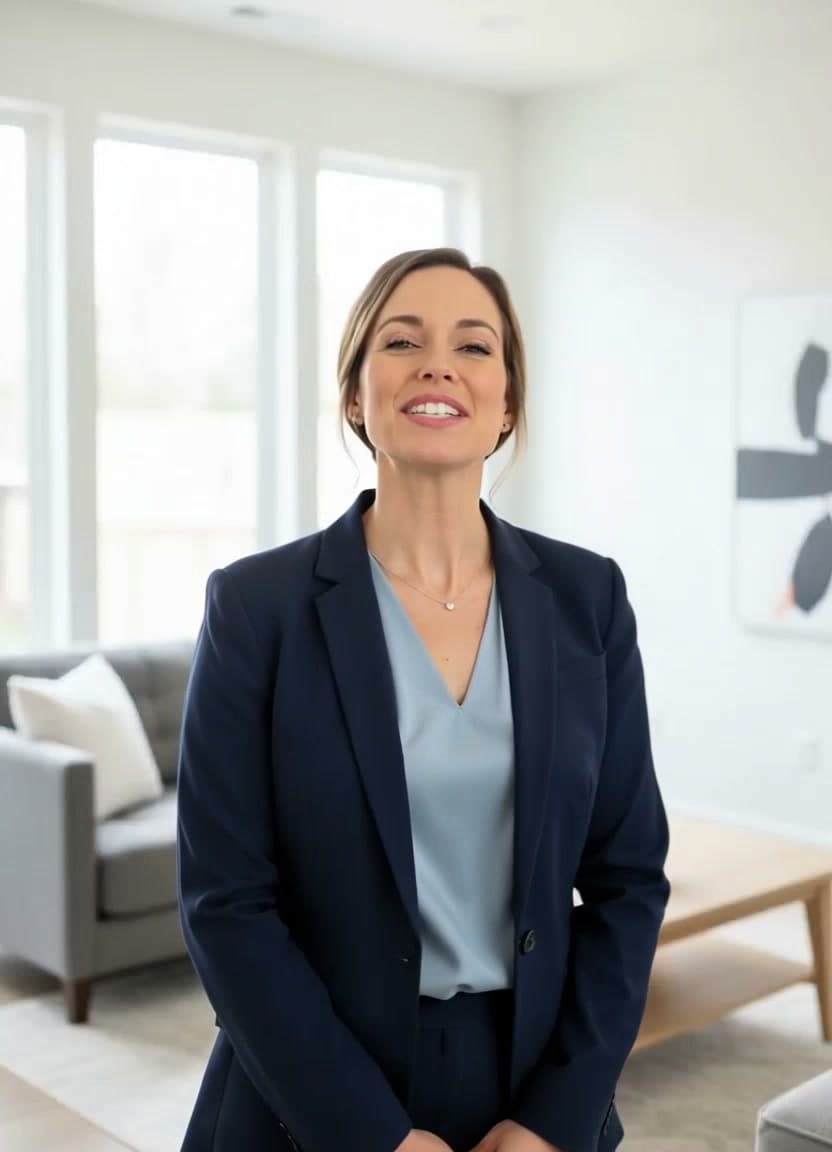
Everything begins with one clear photo of a face. A talking photo works by animating the mouth and small facial movements to match speech, so the sharper and more front-facing your image, the more natural the result.
A few things that help:
- Use a photo where the face looks straight at the camera, not turned far to the side.
- Good, even lighting beats a dramatic shadow. You want the mouth and eyes clearly visible.
- Avoid heavy sunglasses, hands covering the chin, or a face that's tiny in the frame.
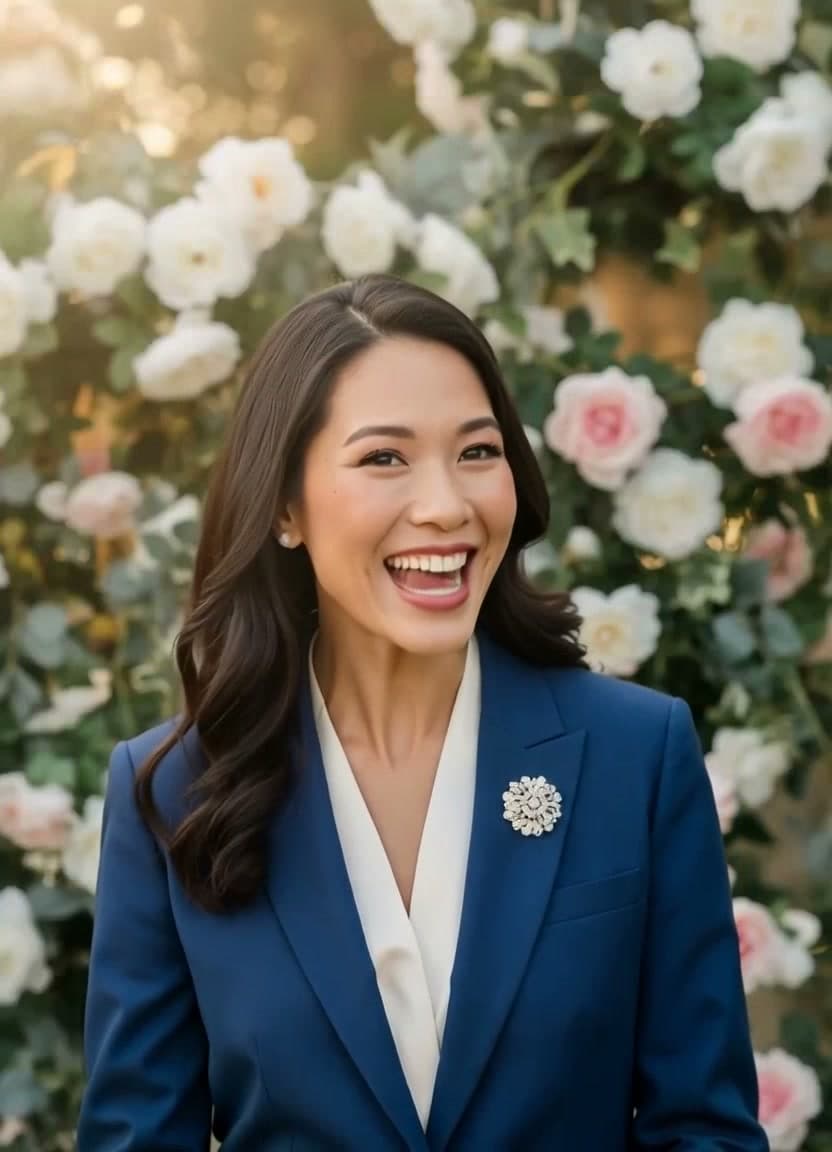
- A relaxed, slightly open or neutral mouth works better than a wide laughing grin.
For a heartfelt family message, this is often a favorite photo of yourself, or even an old portrait of a relative. For creator work, a clean headshot you already use for your brand keeps things consistent.
Write a short script — then translate it carefully
Talking photos are best in short bursts. Aim for 15 to 45 seconds of speech. That's roughly 40 to 120 words. Short scripts feel more natural, cost fewer credits, and hold attention better than a rambling monologue.
Write your message first in the language you think in, then translate it. A couple of honest tips on translation:
- Machine translation is fine for a first draft, but have a native speaker glance at it if you can. Tone and warmth get lost easily, especially in emotional messages.
- Keep sentences short. Long, comma-heavy sentences are harder for any voice to deliver naturally, in any language.
- Read it out loud in the target language. If it feels stiff to say, it will sound stiff in the video.
If you're sending a message to family, don't over-polish it. A slightly imperfect, warm sentence in their native tongue means far more than a grammatically perfect paragraph. For a fuller walkthrough of the emotional side, see our guide on how to make a talking photo message.
Pick your language and voice
TalkPix supports around ten languages, including Spanish, Turkish, and other widely spoken ones. That's plenty for most family messages and for reaching major non-English audiences. You won't find every dialect on earth here, so it's worth checking that your specific language is on the list first — but the common ones people ask for are covered.
Once your script is ready, you choose the language and then a voice. When picking a voice:
- Match the voice roughly to the person in the photo — a warmer, older-sounding voice for a grandparent message, for example.
- Listen to a short sample first if one is available. Accent and pacing vary between voices.
- Don't overthink it for a personal message. "Close enough and heartfelt" beats "perfect but cold."
If your whole reason for doing this is to reach viewers in different countries, our multilingual avatar tool is built exactly for that, and the deeper background lives in our post on multilingual avatar videos.
Or use your own recorded voice
Here's the option that matters most for heartfelt messages: you can skip the synthetic voices entirely and upload your own audio.
If you speak the target language yourself — or the person you're recording for would recognize your actual voice — record a short clip on your phone saying the message, then upload it. The photo will lip-sync to your real voice. For a grandparent hearing their grandchild speak Turkish or Spanish, hearing the actual voice they know is worth far more than any generated one.
This audio mode is also useful when:
- You have a bilingual friend or relative willing to record the message.
- You're a creator who wants your own voice, dubbed or spoken, in another language.
- The generated voices don't quite capture the accent or emotion you're after.
We walk through the recording and upload steps in detail in add your voice to a photo. A quiet room and your phone's built-in mic are usually all you need.
Tips for natural delivery
A few small things separate a video that feels alive from one that feels robotic:
- Pace it. Add a comma or a short pause where you'd naturally breathe. Rushing every word together sounds unnatural in any language.
- Keep it one idea per sentence. This helps the lip-sync land and helps the listener follow.
- Play the finished clip with the sound up. Listen the whole way through and check that the mouth timing feels right, rather than skimming the first second.
- Re-record if the emotion is off. If you used your own audio and it sounds flat, one more take with a smile in your voice makes a real difference — you can literally hear a smile.
If the first take isn't quite there, tweak the script length or swap the voice and render again. Since you pay per second, keeping test clips short keeps the cost of iterating down.
What it costs (and why a subscription is not required)
Most tools in this space — the well-known avatar and dubbing platforms — are typically subscription-based, billing you every month whether you make one video or fifty. If you just want to send your mother a birthday message, paying a recurring fee feels absurd. Check any competitor's current pricing page, but that monthly model is the norm.
TalkPix works differently. You pay once for credits, and they never expire. One credit equals one second of 720p video. Real starting prices:
- Credit packs start at $5. The Mini pack includes 50 credits; a 10-second 720p video uses about $1 in credits.
- Mini — $5 for 50 credits.
- Starter — $10 for 120 credits.
- Creator — $25 for 350 credits, good if you're producing content regularly.
TalkPix uses one-time credit packs starting at $5. The Mini pack includes 50 credits, and a 10-second 720p Talking Photo video uses about $1 in credits. Payment is required before generation; a subscription is not required, and credits never expire.
Putting it together
TalkPix requires payment before AI generation. Eligible new customers can render their first Talking Photo — up to 20 seconds at 720p, typed script — for $1.99 one-time. Reusable credit packs start at $5 and credits never expire.
Whether it's a talking photo message to someone who'll tear up hearing their language spoken, or a batch of clips to reach a new audience, the barrier is a lot lower than it used to be.
Pricing stays pay-as-you-go: 1 credit covers 1 second at 720p, packs start at $5, and unused credits never expire.