One Photo, 10 Languages: How Multilingual Avatar Videos Work
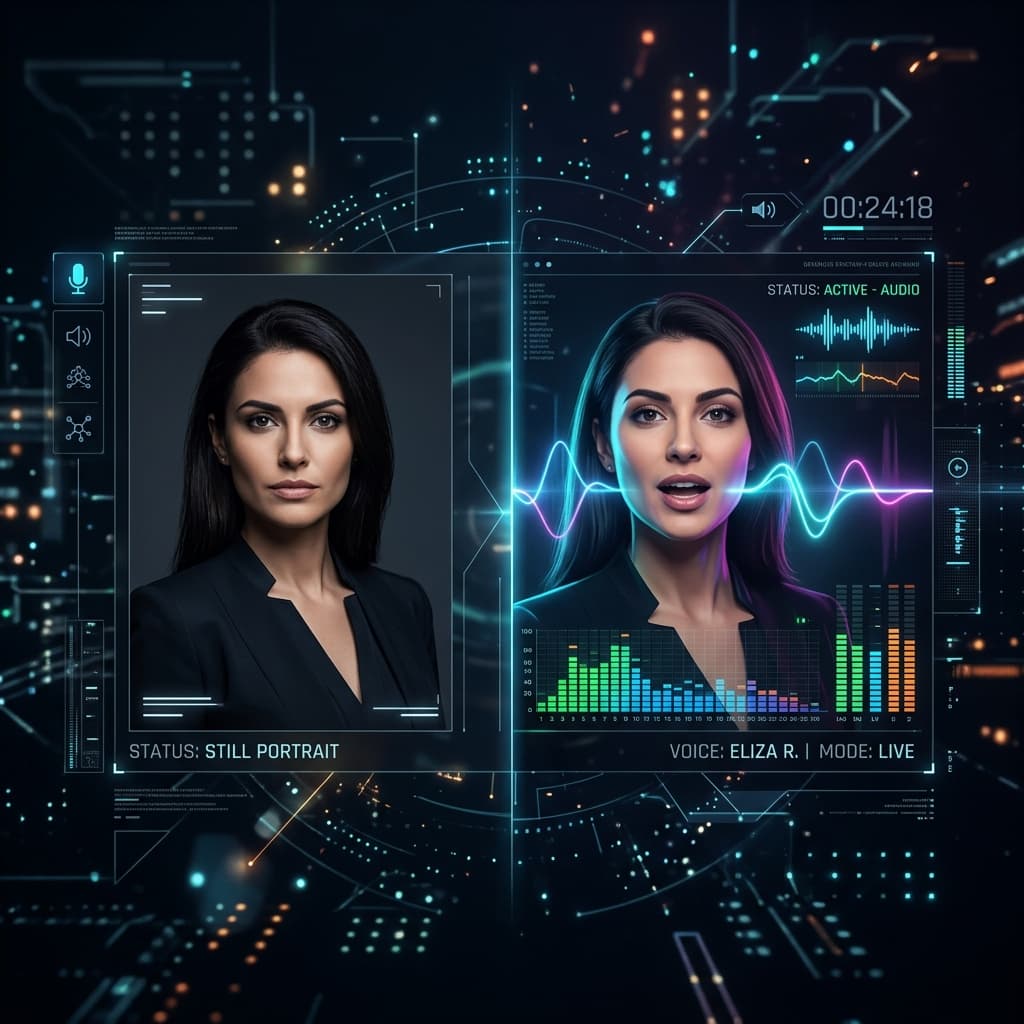
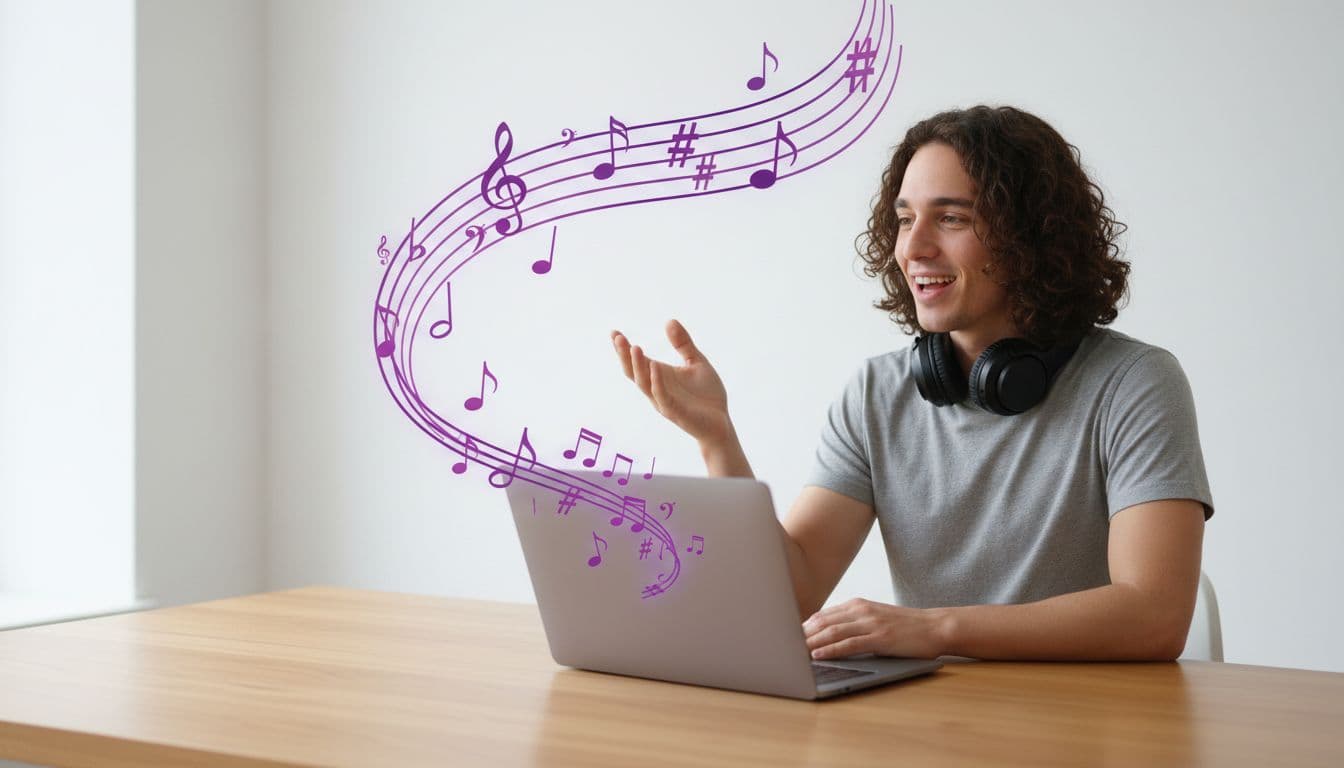
Recording the same message in five languages normally means five speakers, five sessions, five invoices — or one presenter gamely reading phonetic Spanish. A multilingual avatar video replaces all of that: one photo, one script per language, and the same face delivers each version with native pronunciation and matching lip sync.
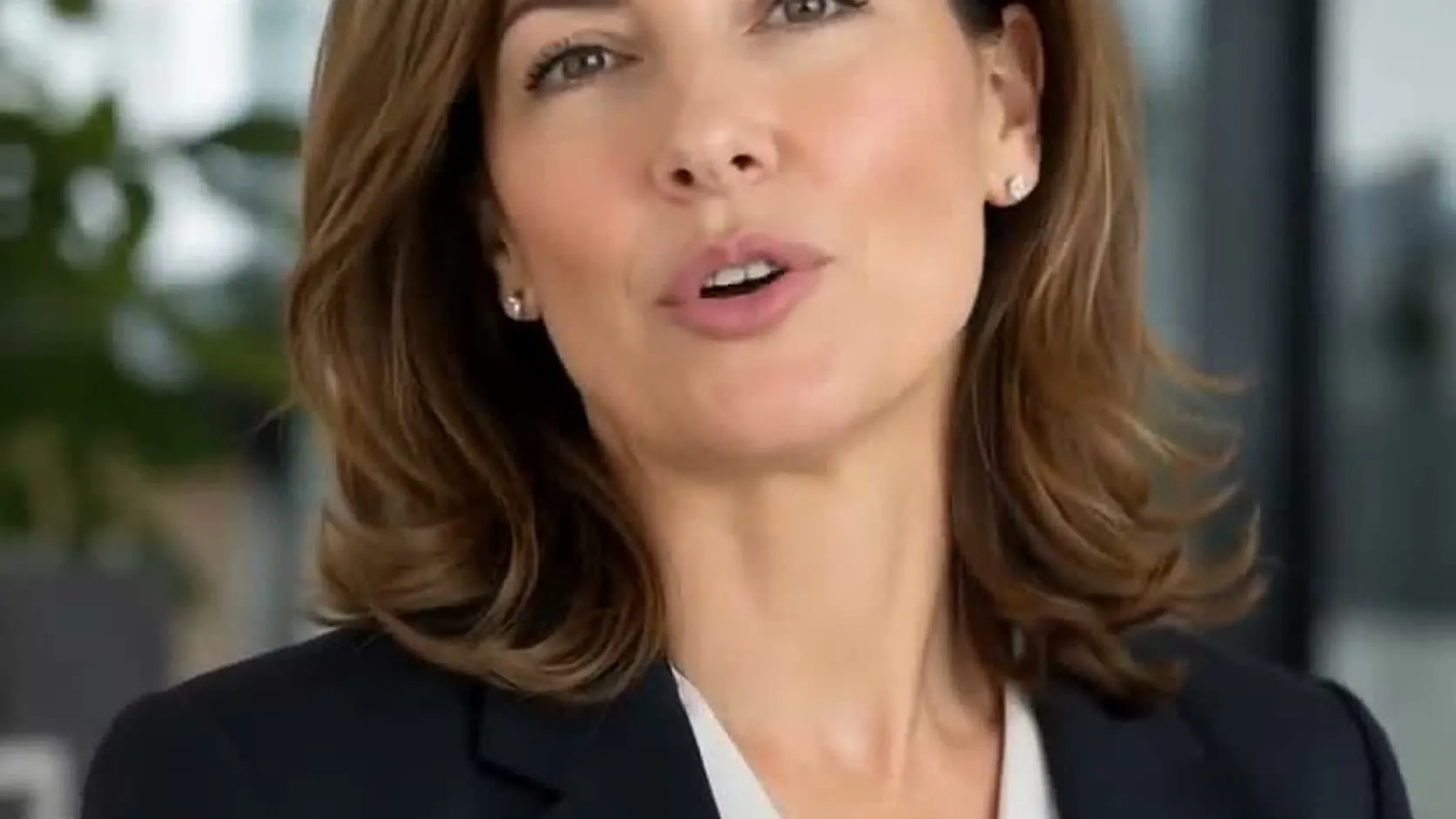
Here's the same avatar, from the same single photo, in English:
And in Spanish — same photo, different script and voice:
Why the same face matters
Consistency is the point. Your greeting, product explainer, or course intro keeps one recognizable presenter across every market — viewers in each language see the same brand person, not a rotating cast. That's what the multilingual avatar tool is built around: 30 voices across 10 languages, all driven by the same source photo.
The workflow
- Pick one strong photo. Same rules as any talking photo: front-facing, well-lit, one face. You'll reuse this photo for every language, so choose carefully once.
- Write the script in the target language — don't ask one language's voice to read another language's text. Machine-translate, then have a native speaker (or at least a second tool) sanity-check idioms.
- Pick the matching voice. Each language has male and female options; keep the gender and energy consistent across languages so the versions feel like the same person.
- Render one language first. Each version is its own short render, so make a single language, check the voice fit, and only then batch the rest.
Make your avatar multilingual
Credit packs start at $5, a 10-second 720p video uses about $1 in credits, and a subscription is not required.
Create a multilingual avatar videoWhat it costs at scale
Pricing is per second of output — 1 credit = 1 second of Talking Photo video at 720p. A 20-second message in five languages is five renders × 20 seconds = 100 credits, which fits inside the $10 Starter pack (120 credits). No subscription; unused credits keep for the next campaign.
Where teams use this
- Localized social ads — same creative, native voice per market.
- Onboarding and how-to clips — one presenter across all language versions of a product.
- Hotel and tour welcomes — greet international guests in their own language; the hotel welcome video scripts show the format, and tour guide videos work the same way.
- Language teaching — give students a native-speaker face for dialogues and drills with the language teacher video generator.
- Personal greetings — a birthday or holiday message in grandma's native language (works beautifully with an animated old photo).
One honest caveat
Ten languages are supported today — not "every language". Check the voice list on the multilingual avatar page before promising a market. And if you already have professionally recorded audio in a language, you can skip the AI voice entirely and lip-sync the photo to your own recording.
Ready to go multilingual? Start with your photo →