Why Is Everything Talking on TikTok? The Talking-Object Trend, Explained

Open TikTok, Reels, or Shorts lately and you have probably met a talking potato. Or a passive-aggressive Wi-Fi router. Or a coffee cup pleading to be drunk before it goes cold. Suddenly, everyday objects have faces, voices, and opinions — and they are everywhere. So what is going on, why does it work so well, and how are creators making these? Here is the full breakdown.
What the trend actually is
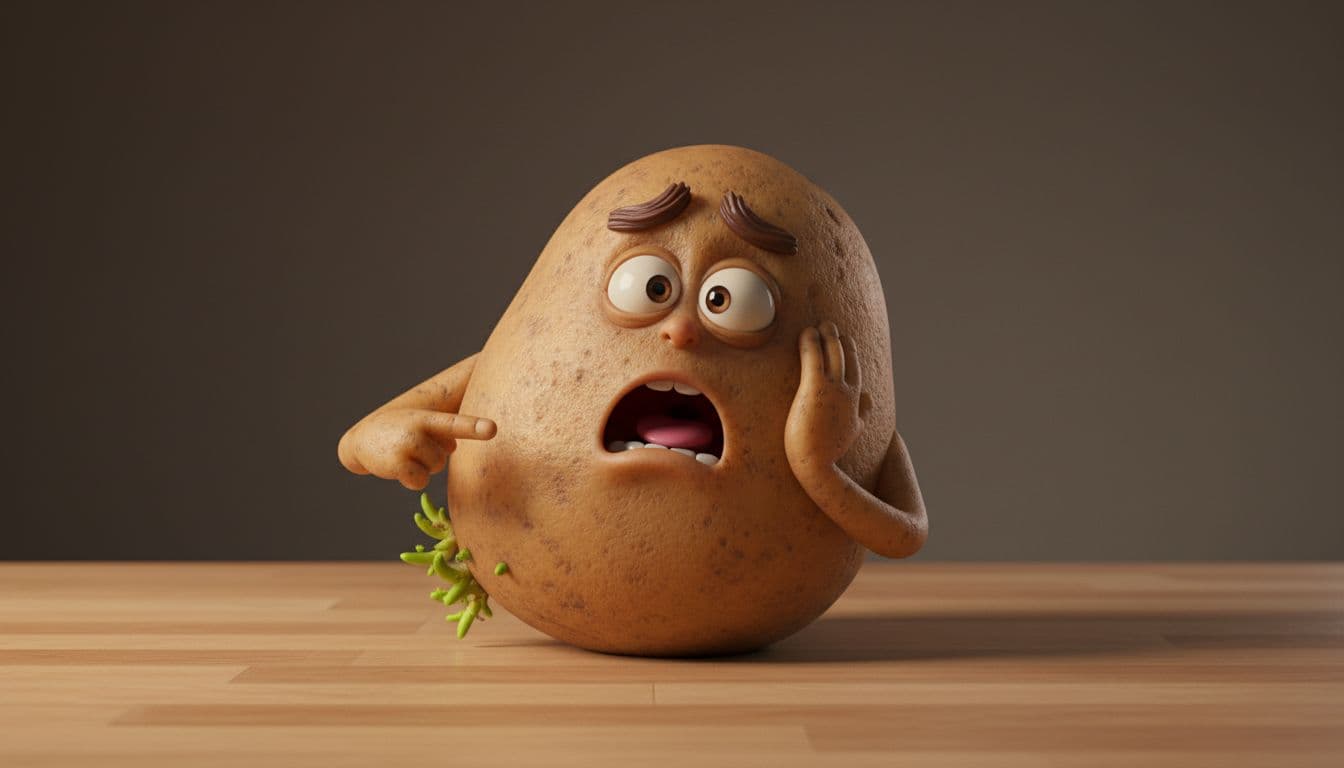
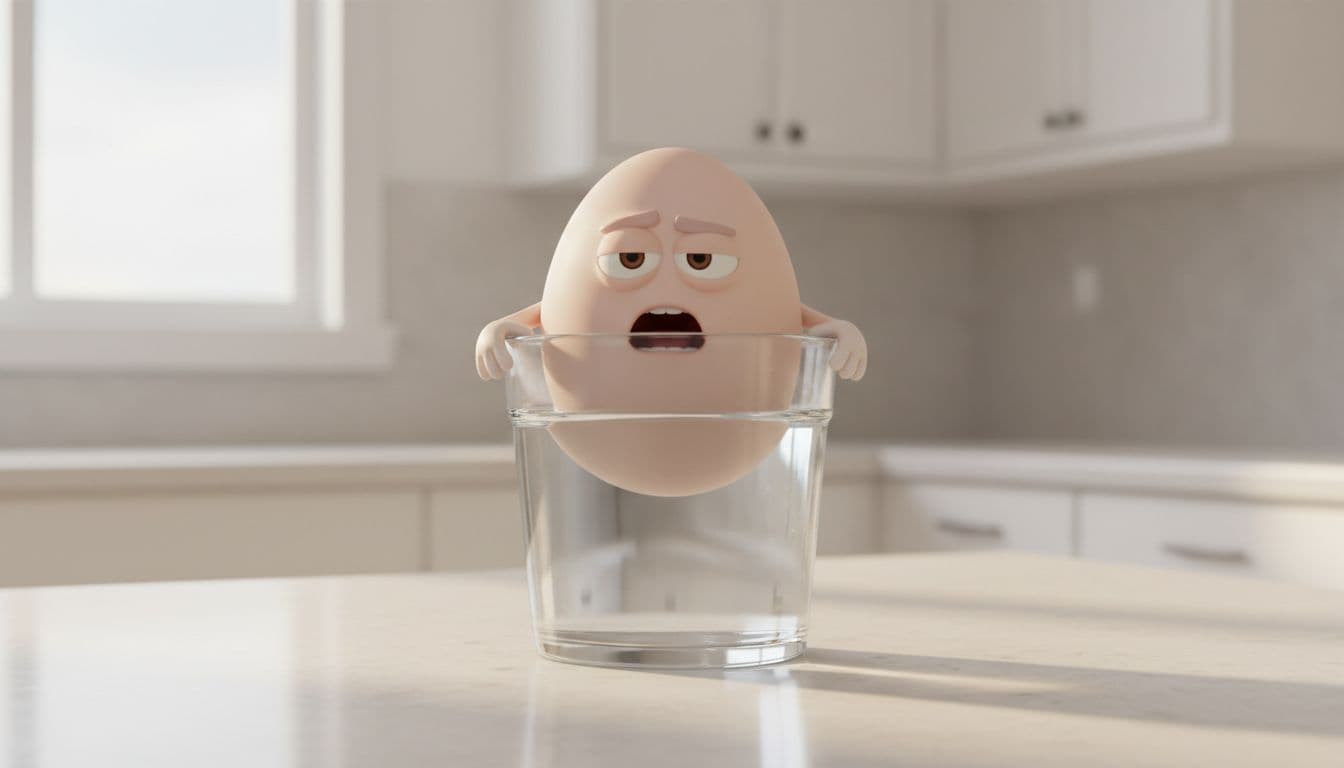
A talking object video takes an ordinary object, gives it an expressive 3D animated face, and lets it speak in the first person. The clip is short — around ten seconds — and almost always follows the same shape: a funny hook, one genuinely useful fact, and a bit of personality. A nervous potato explains its green spots. A dramatic houseplant reveals it is overwatered, not thirsty. An offended peeler complains you are wasting half the vegetable.
It is part of a broader wave of AI-generated character content, but talking objects stand out because they are so relatable — the "cast" is stuff already sitting in your kitchen.
Why it works (the psychology)
These videos are not viral by accident. They hit several things the brain and the algorithm both reward:
- Anthropomorphism. Humans are hardwired to pay attention to faces and voices. Give a potato both and you cannot look away — it is the same instinct that makes us name our cars and yell at our laptops.
- The hook is instant. The object states its problem in the first two seconds ("I am turning green!"), which is exactly the watch-time signal short-form algorithms boost.
- Comedy earns the view, facts earn the share. People rewatch because it is funny and forward it because it taught them something. That save-and-share behavior is pure algorithmic rocket fuel.
- It is endlessly repeatable. Any object works, so a creator can post daily without running dry — and consistency is what actually grows an account.
Why it exploded now
For a long time, making one of these was genuinely hard. You needed a writer for the script, a 3D artist or image generator for the character, and a lip-sync tool to make it talk — three tools, three skill sets, hours of work.
AI collapsed that. Today a single tool can write the scenario, render the character, animate it speaking, and even write the captions. When the production cost of a polished clip drops from a day's work to a couple of minutes, the format goes from "a few skilled creators" to "anyone with an idea." That is why your feed filled up so fast.
How creators make them
Most viral talking-object clips are built with an AI pipeline rather than filmed. The Talking Objects studio is one example that runs the whole thing in a single flow:
- Pick an object — type anything, from
potatotoWi-Fi router. - AI writes the scenarios — several options, each with a character, an emotion, a setting, and a ten-second script built around a real fact.
- Render the character — a 3D animated still with a face and arms; regenerate until it is right.
- Animate and caption — the object speaks your script with matching lip movement, and you get a ready-to-post caption for each platform.
No filming, no animation software, no editing timeline.
Try the trend yourself
Pick an object, let AI write the scenario and render the character, and post a talking video with captions.
Make a talking object videoIs the trend worth jumping on?
For creators and brands, yes — for a few practical reasons. The clips are cheap to produce, they carry information (so they are useful, not just funny), and they are brand-safe in a way a lot of trends are not. A product, a mascot, or an everyday item tied to your niche can become a recurring character that teaches your audience something while entertaining them.
The window on any format is widest early, so the time to experiment is while it is still climbing.
How to start
Pick one relatable object, give it a problem your audience will recognize, and let it teach one useful fact. That is the entire formula. If you want concrete starting points, grab these talking object video ideas or, for the biggest sub-niche, see how to make talking food videos. The full step-by-step lives in how to make a talking object video, and the guide to making the ones that actually get watched is how to make effective talking object videos.
Brands are already borrowing the format to sell with — if that is your angle, see how talking product ads work.
Make your first one today
Type an object, and AI handles the scenario, image, video, and captions — you just post.
Open the Talking Objects studio