What Is a Talking Photo? Definition, How It Works and Key Terms
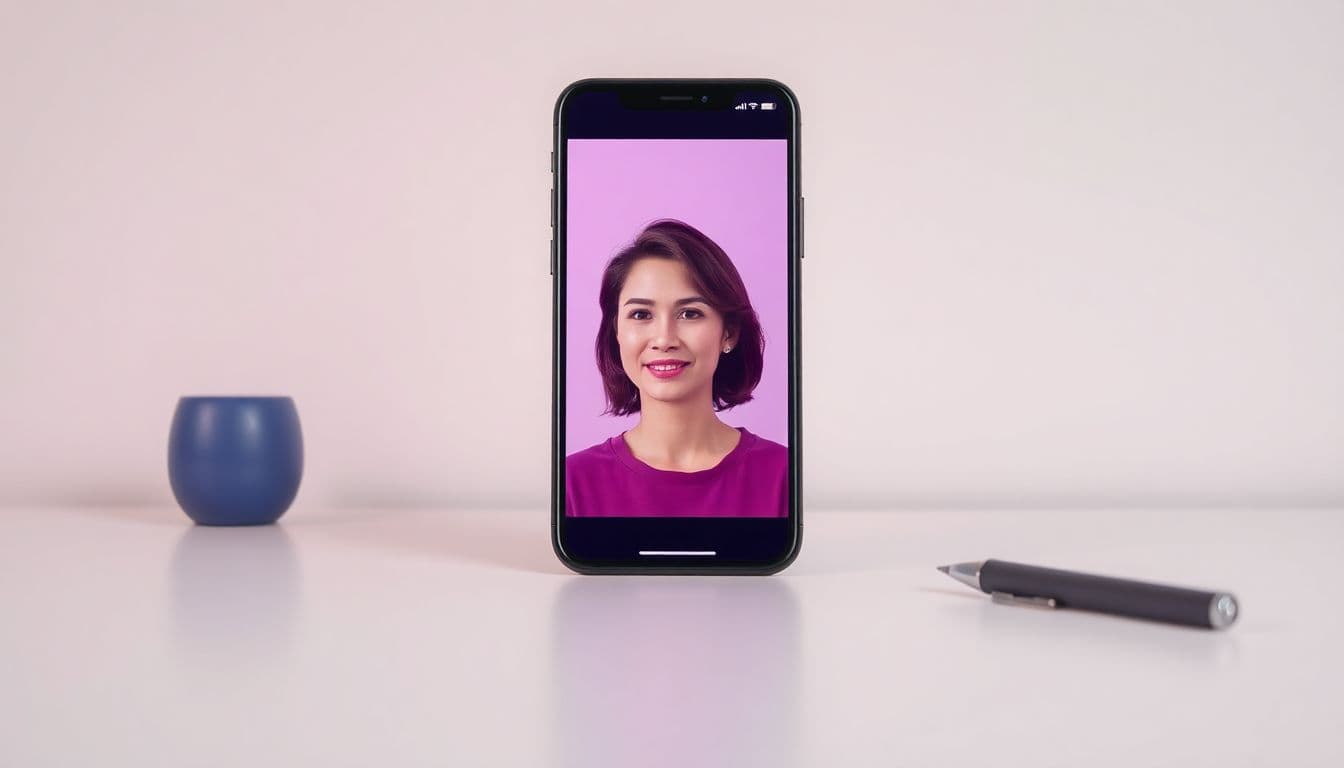
A talking photo is a still image that has been animated so the face in it appears to speak, with the lips moving in sync with a script read by an AI voice or with a recording of a real voice. The result is a short video, usually an MP4, made from a single photo: no camera, no actor and no filming.
This page defines the term, explains how the technology works, and sorts out the words that get used for it: lip sync, photo avatar, image-to-video and deepfake.
What is a talking photo?
A talking photo is a video made from one still picture in which the face moves and speaks. You supply a photo and the words, either typed text that an AI voice reads aloud or an audio recording, and an AI model animates the mouth, jaw, eyes and head so the picture appears to say them. The photo can be a selfie, an old black-and-white family portrait, a painting or drawing, a 3D character or a pet.
How does a talking photo work?
An AI model listens to the speech and predicts, frame by frame, how a face would move to produce it: the mouth shapes for each sound, plus blinks and small head movements so the face does not look frozen. It then redraws the photo with those movements and stitches the frames into a video whose audio track is the speech. Typed text is first turned into speech by a text-to-speech voice; an uploaded recording is used as it is.
In practice it takes four steps:
- Upload a photo with a clear, front-facing face.
- Add the words: type a script and pick a voice and language, or upload or record audio.
- Generate: the model renders the lip-synced video, usually ready in minutes.
- Download the MP4 and share it.
What is the difference between a talking photo and a deepfake?
The technology overlaps; the intent and the consent do not. A talking photo animates a picture you have the right to use, openly, as a greeting, a memory or an ad. A deepfake is synthetic media made to pass as real footage of a real person, usually without their consent and often to deceive. The same photo becomes one or the other depending on whose face it is and why the video was made.
That is also how the law sees it: the EU AI Act, platform labelling rules and US likeness laws all turn on disclosure and consent, not on the tool. See is it legal to make a talking photo? and talking photo vs. deepfake.
What is the difference between a talking photo and an AI avatar?
A talking photo animates your specific picture; an AI avatar is usually a ready-made or custom-trained presenter that a tool reuses across many videos. Avatar platforms are built for training and marketing videos with a consistent stock or studio-filmed presenter, while a talking photo starts from whatever image you upload, whether that is your grandmother, your dog or a product.
The terms blur at the edges. Several avatar platforms now offer a photo avatar, which is a talking photo by another name.
What is the difference between a talking photo and image-to-video?
Image-to-video is the broader category: an AI model turns a still image into any kind of motion, such as a camera move, a dance or a scene that plays out. A talking photo is the narrow, speech-driven case of it, where the motion is the face saying specific words and the timing comes from the audio. General image-to-video models can add sound, but they are not built to lip-sync a face to a script you supply.
What can you use a talking photo for?
Most talking photos are personal: a birthday or anniversary message from a photo, an old family picture brought to life, a pet that talks, or a memorial video. Businesses use them for product explainers, short video ads, course and training intros, and multilingual versions of the same message, because one photo can speak any script in any supported language without a reshoot.
Ideas and walkthroughs: talking photo ideas, how to make a photo talk, animate old photos and talking pet videos.
How much does a talking photo cost?
It ranges from nothing, with a watermark, on some free plans to about $29 a month on avatar subscriptions. On TalkPix a talking photo costs 1 credit per second at 720p, so a 10-second clip uses about $1 of the $5 pack, credits never expire, and eligible new customers can get a first video of up to 20 seconds for $1.99. Whether a subscription or paying once is cheaper depends on how much you make each month.
The tool-by-tool numbers are in the Talking Photo Price Index, and the apps themselves are compared in best talking photo apps.
Talking photo glossary
- Talking photo. A still image animated so the face speaks in sync with audio.
- Lip sync. Matching mouth movement to speech. In a talking photo it is generated from the audio rather than recorded.
- Photo avatar. An avatar platform's name for a presenter created from one photo; in practice a talking photo.
- AI avatar. A reusable digital presenter, either stock, studio-filmed or trained on a person, used across many videos.
- Text-to-speech (TTS). Turning typed text into spoken audio with an AI voice.
- Voice cloning. Training a synthetic voice on a short sample of a real voice so it can read new text. It needs that person's consent.
- Image-to-video. Any AI model that turns a still image into a moving video.
- Deepfake. Synthetic media made to pass as real footage of a real person, typically without consent.
- AI label. The disclosure platforms such as TikTok, YouTube and Instagram ask creators to add to realistic AI content.
Make a photo talk
Upload a photo, type what it should say or add your own audio, and download the MP4. One-time credit packs, no subscription required.
Make a talking photo